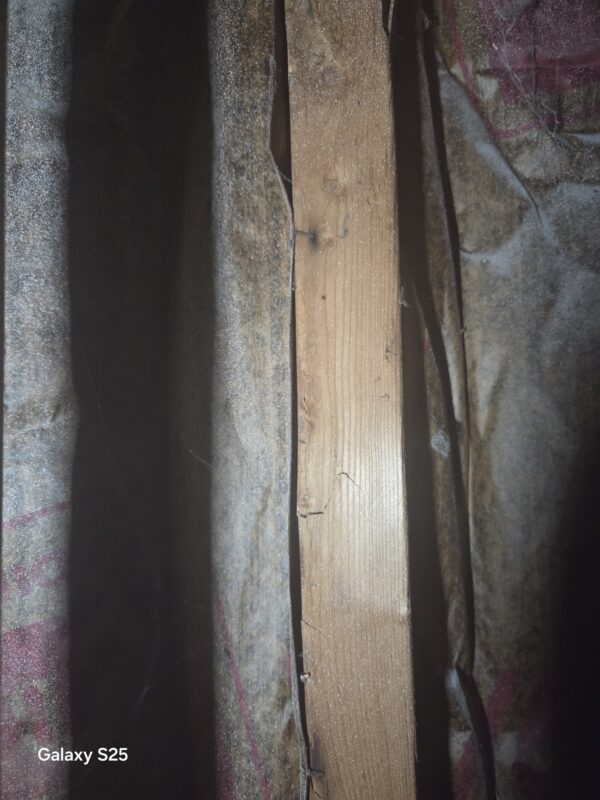

 Thermal bridging occurs when heat transfers through the solid parts of your exterior walls, like the wooden or metal studs. These studs act as a “bridge,” allowing temperature to bypass your insulation. This is often made worse when batt insulation isn’t properly stapled or is installed loosely, leaving gaps for air to leak through. Over time, this leads to significantly higher energy bills, especially in colder climates.
How CH Inspections Identifies the Problem
At CH Inspections, we include thermal imaging as part of our standard home inspection. This technology allows us to see “invisible” issues that the naked eye simply can’t detect. By scanning the walls, we can identify exactly where thermal bridging is occurring and where insulation may have failed or settled.
Sometimes, you can see signs of this without a camera. Look for “ghosting”—dark, faint streaks on your drywall that perfectly match the spacing of your wall studs. This happens because those cold spots attract tiny dust particles from the air.
When to Use Thermal Imaging
While we provide this during our standard inspections, it is also a powerful tool to keep in mind for future major renovations—like when you’re already planning to replace drywall. To get the best results, remember that thermal cameras work best when there is a large temperature difference (at least 15–20°F) between the inside and outside of your home.
Cost-Effective Fixes You Can Do Now
The best way to lower your bills is to focus on high-impact, low-cost methods. Think of your home like a chimney: warm air rises and escapes through the attic, which pulls cold air in through the basement. This is called the “stack effect.” To stop it, focus on these areas:
-
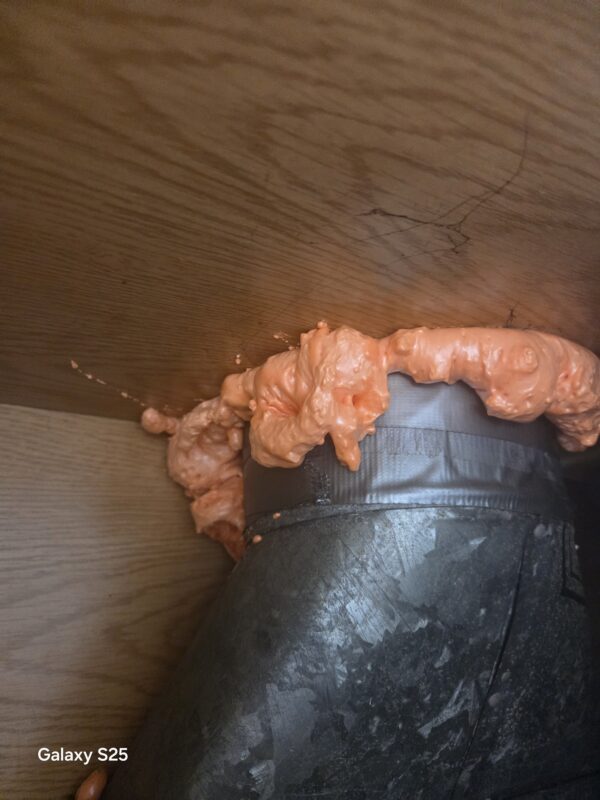
Seal the “Top and Bottom”: Use spray foam or caulk to seal air drafts in the basement, crawlspace, and attic floor.
-
Check Penetrations: Seal gaps around pipes both inside and outside the home, as well as kitchen exhaust vents that lead into the attic.
-
Insulate Pipes: Wrapping both hot and cold water pipes reduces the energy needed to heat your water and prevents condensation.
-
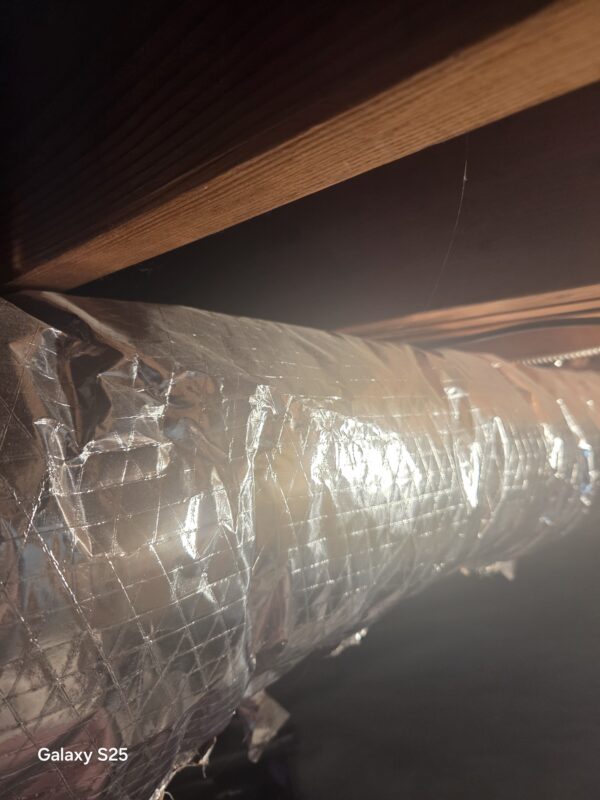
Maintain Ductwork: Properly sealing and insulating ducts ensures your heated or cooled air actually reaches your living spaces instead of leaking into the walls.
While adding more attic insulation is a great long-term goal, starting with these smaller seals will provide an immediate boost to your home’s efficiency.